

IndiGo Flight Cancellation Crisis and Indian Railways’ Intervention: December 2025 Update
 08 Dec, 2025
 313
313

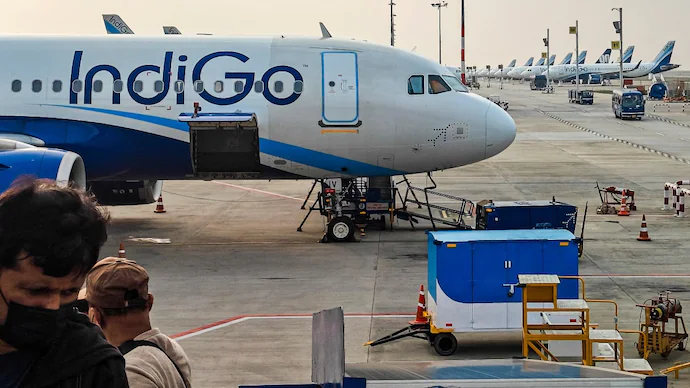
Overview of IndiGo Flight Cancellations in December 2025
India’s largest airline, IndiGo, faced a major operational crisis in early December 2025, leading to the cancellation of over 2,000 flights within a single week. With IndiGo accounting for nearly two-thirds of India’s domestic air traffic, the disruptions triggered widespread travel chaos across major airports and routes, affecting thousands of passengers nationwide.
Causes Behind the IndiGo Operational Disruptions
The primary reason behind the large-scale flight cancellations was non-compliance with revised DGCA flight duty time limitation (FDTL) norms. These regulations, effective from November 1, 2025, mandate longer rest periods for pilots and impose tighter restrictions on night operations.
Despite having prior notice, IndiGo reportedly failed to realign crew scheduling and staffing in line with the new requirements. This resulted in severe crew shortages, forcing the airline to cancel flights at short notice. During the peak of the crisis, IndiGo’s on-time performance reportedly dropped to as low as 3.7%, among the worst in the airline’s history.
Aviation experts and regulators warned that such operational lapses by a dominant carrier can destabilize the entire aviation ecosystem, highlighting the risks of over-concentration in the sector.
Government and DGCA Response to the IndiGo Crisis
In response to the escalating situation, multiple corrective actions were taken:
-
The Directorate General of Civil Aviation (DGCA) issued a show-cause notice to IndiGo’s CEO, citing failure to comply with mandatory duty-time norms.
-
The Central Government temporarily relaxed certain FDTL provisions, granting IndiGo limited operational relief to restore flight schedules.
-
To protect stranded passengers from excessive pricing, the Civil Aviation Ministry imposed temporary fare caps on domestic air routes during the disruption period.
Despite these measures, passenger confidence took a significant hit. Reports surfaced of lost baggage, overcrowded terminals, long queues, sudden cancellations, and inadequate communication, intensifying calls for stronger regulatory oversight and improved competition within the aviation sector.
Indian Railways Adds Capacity Amid Flight Cancellations
As air passengers scrambled for alternatives, Indian Railways stepped in as a critical support system. By December 6, 2025, Railways had:
-
Added 116 additional coaches to 37 premium trains
-
Enabled 114 extra train trips across India
These additions covered key high-demand corridors across Northern, Southern, Western, Eastern, and Northeastern zones.
Details of Railway Capacity Augmentation
The railway intervention included:
-
Multiple travel classes, including Chair Car, Sleeper Class, 2AC, and 3AC
-
Coverage of key routes such as Delhi–Mumbai, Bengaluru–Pune, Chennai–Hyderabad, and other metro-to-city connections
-
An estimated capacity to accommodate up to 35,000 additional passengers per day
Special trains were also planned on long-distance routes to manage the sudden surge in demand. This rapid response helped mitigate the immediate travel disruption and offered relief to thousands of stranded air travelers.
Current Status of IndiGo Operations
According to the latest updates, IndiGo expects gradual stabilization of flight operations between December 10 and 15, 2025. However, as of now, sporadic cancellations and delays continue, particularly at major hubs such as Delhi, Mumbai, and Bengaluru.
Regulatory scrutiny remains high, and the airline continues to face pressure from passengers, policymakers, and industry observers.
Broader Implications for India’s Aviation and Transport Sector
The IndiGo cancellation crisis has highlighted several structural issues:
-
Systemic risk from market dominance, where disruptions at one airline can paralyze national mobility
-
The need for proactive workforce planning and regulatory compliance by airlines
-
Importance of multi-modal transportation resilience, with railways acting as a crucial fallback
-
Growing urgency for policy reforms, better contingency planning, and encouragement of competition in the aviation market
Conclusion
What began as a crew-rostering and regulatory compliance issue quickly escalated into one of the most significant aviation disruptions in recent years. While Indian Railways’ swift intervention helped cushion the impact, the incident has raised serious questions about operational preparedness, regulatory enforcement, and concentration risk in India’s aviation sector.
As IndiGo works to restore stability, the larger takeaway is clear: India’s transportation infrastructure must remain diversified, resilient, and well-coordinated, and airlines must align operational strategies closely with regulatory realities to prevent future crises.
Popular posts

India's Talent behind the JIO 5G roll ou...
 The BharatBiz
20 Apr, 2024
The BharatBiz
20 Apr, 2024
 16
5203
16
5203

How to calculate GDP of a Country
The BharatBiz
02 Oct, 2023
16
5539
Positive Impact Of Demoniterization
The BharatBiz
04 Sep, 2023
16
5207